
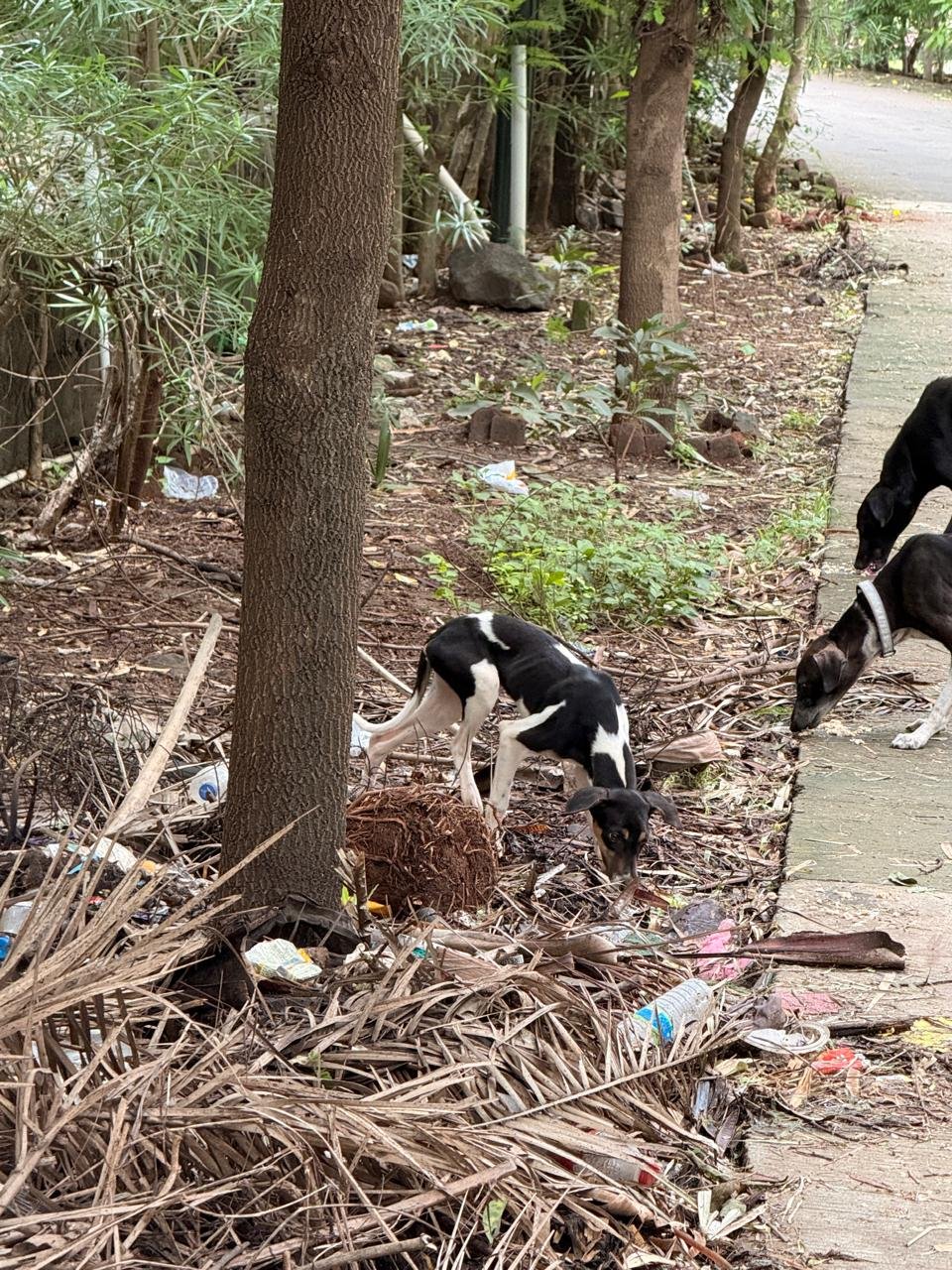


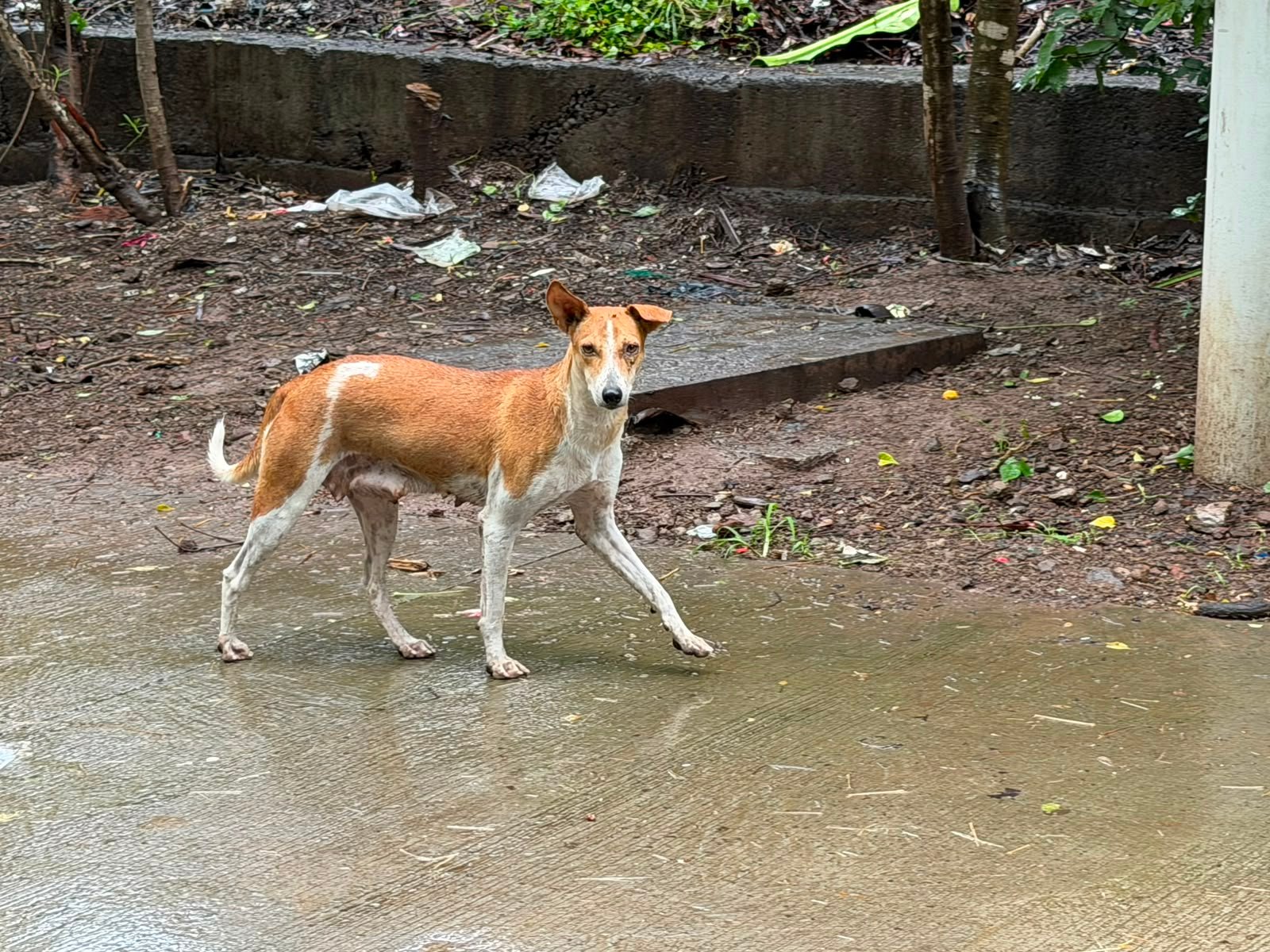

Available for Adoption
These dogs are ready to find their forever home.

Trusted vet partners
Rated by the community for how they treat strays.
In Loving Memory
Dogs we cared for who are no longer with us, but never forgotten.



FAQ — Society's Responsibility Towards Stray Dogs
What Indian housing societies and residents need to know about community dogs.
Yes. A housing society has a responsibility to maintain a safe and harmonious environment for all residents while ensuring that stray dogs are treated in accordance with Indian animal welfare laws. Societies cannot illegally remove, relocate, or harm community dogs.
No. Resident Welfare Associations (RWAs), housing societies, or individual residents cannot capture, relocate, abandon, or remove healthy stray dogs. Only authorized authorities can handle dogs under the Animal Birth Control (ABC) Rules, primarily for sterilization, vaccination, or medical treatment.
- Coordinate sterilization (ABC) and anti-rabies vaccination.
- Maintain records of sterilized and vaccinated dogs.
- Encourage responsible feeding practices.
- Educate residents about safe interaction with community dogs.
- Report injured or aggressive dogs to the local municipal authority.
While implementation is generally carried out by the local municipal authority, societies should actively cooperate and facilitate Animal Birth Control (ABC) and vaccination programs to reduce the stray dog population humanely.
This depends on the municipality. Many municipal corporations provide free ABC and anti-rabies vaccination programs. If government services are unavailable or delayed, societies may voluntarily contribute or organize donations to support sterilization through authorized NGOs or veterinarians.
No. Feeding community dogs cannot be prohibited outright. However, societies can work with feeders to identify designated feeding locations that do not obstruct entrances, children's play areas, or common pathways and that are kept clean.
The society is generally expected to take reasonable steps to reduce risks, such as coordinating sterilization, vaccination, reporting injured or aggressive animals, and maintaining cleanliness. Liability depends on the facts of each case and applicable law.
The dog should not be harmed or relocated by residents. The society should immediately inform the local municipal authority or Animal Birth Control implementing agency so that the dog can be medically assessed and handled according to the law.
No. Cruelty towards animals is punishable under Indian law. Residents should report concerns through proper legal channels instead of taking action themselves.
- 100% sterilization of community dogs.
- Regular anti-rabies vaccination.
- Responsible feeding.
- Waste management to reduce food sources.
- Cooperation between residents, animal lovers, NGOs, and municipal authorities.
- Create a clear community dog management policy.
- Coordinate with local NGOs and veterinarians.
- Keep emergency contact numbers readily available.
- Educate residents on avoiding dog bites and understanding dog behavior.
- Resolve disputes between feeders and non-feeders through designated feeding areas and community guidelines.
- Promote complete sterilization and annual vaccination of all community dogs.